

About US
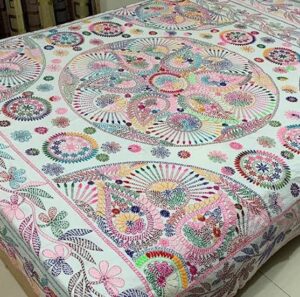
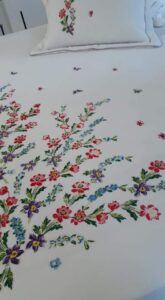
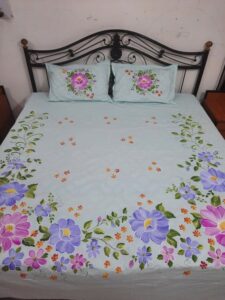
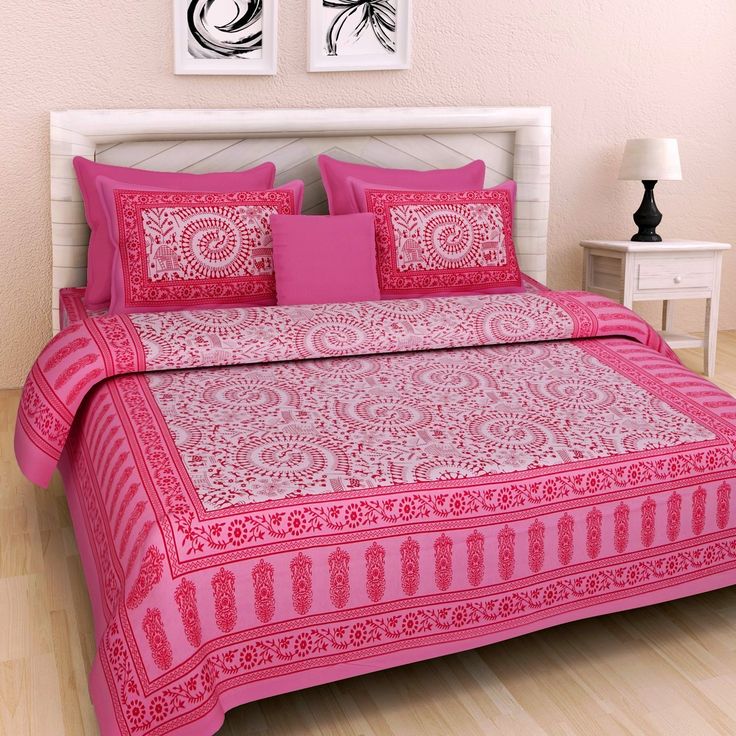
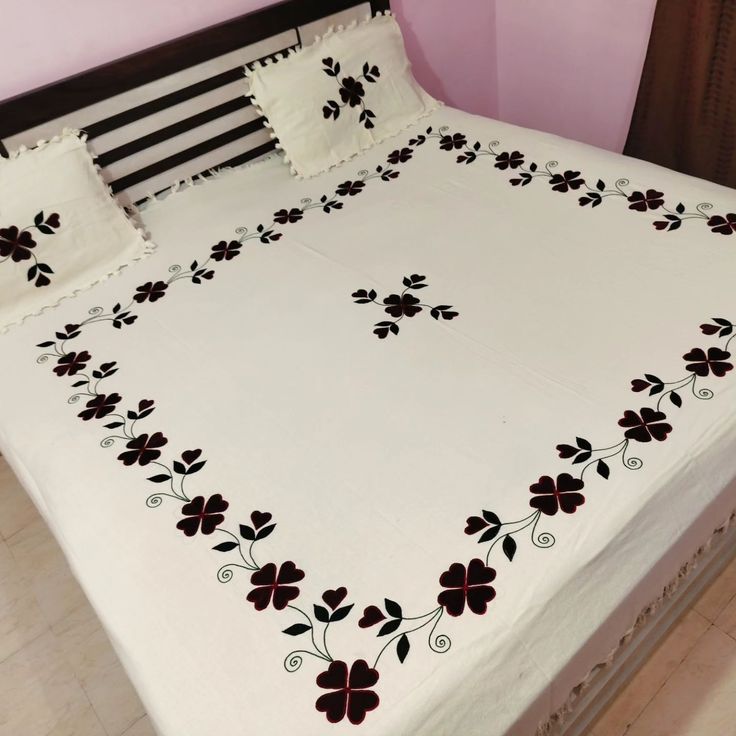
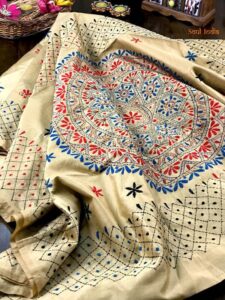
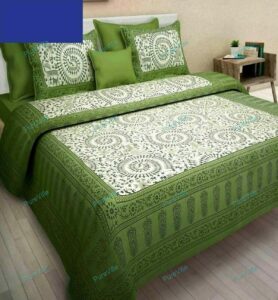
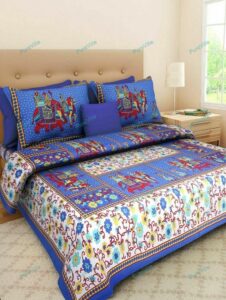
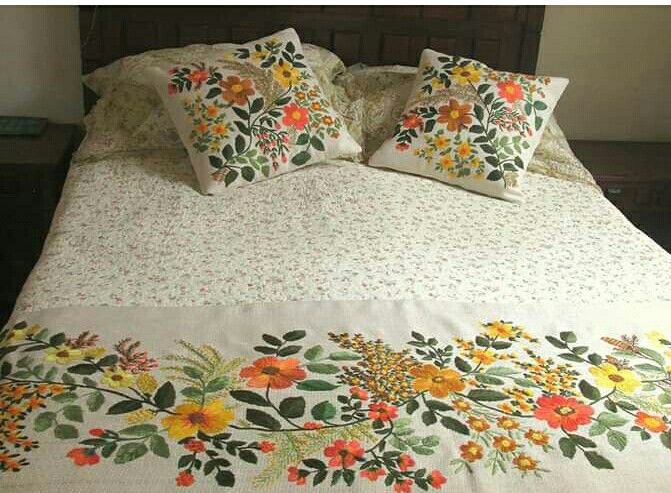
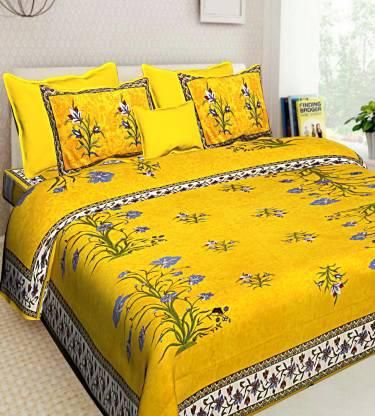
Handloom in India, particularly in UttarPradesh and Pipalsana District Moradabad, represents a rich cultural heritage and a vital economic sector. It’s an ancient tradition, a cottage industry, and a significant source of livelihood for millions, especially in rural areas. Handloom weaving is characterized by its unique techniques, handcrafted designs, and the use of natural fibers like cotton and silk.
Key Aspects of Handloom in India:
- Cultural Significance: Handloom fabrics are more than just clothes; they are a reflection of Indian culture, traditions, and artistry.
Economic Importance:
The handloom industry is a major employer, providing livelihoods for millions of weavers and artisans, many of whom are women.
Historical Roots:
Handloom weaving has a long history in India, with evidence of advanced techniques dating back to the Indus Valley Civilization.
Government Support:
The Indian government actively promotes the handloom sector through various schemes and initiatives to support weavers and preserve this heritage.
National Handloom Day:
August 7th is celebrated as National Handloom Day to honor the handloom weaving community and highlight its contributions.
“India Handloom” Brand:
This brand aims to ensure quality, authenticity, and customer trust in handloom products.
Regional Variations:
Different regions in India have their unique handloom traditions and techniques, contributing to the diverse tapestry of Indian textiles.
In Pipalsana District Moradabad UttarPradesh:
Pipalsana District Moradabad, like other parts of India, has a handloom tradition that is part of its local culture and economy. This tradition likely involves weaving techniques, fiber usage, and design styles specific to the region.
In Summary: Handloom in India is a vibrant sector that intertwines cultural heritage, economic activity, and the artistry of skilled artisans. It’s a testament to the enduring spirit of traditional craftsmanship and the importance of preserving this valuable part of India’s identity.